The System and Values of Western Medicine Are Not Universally Applicable
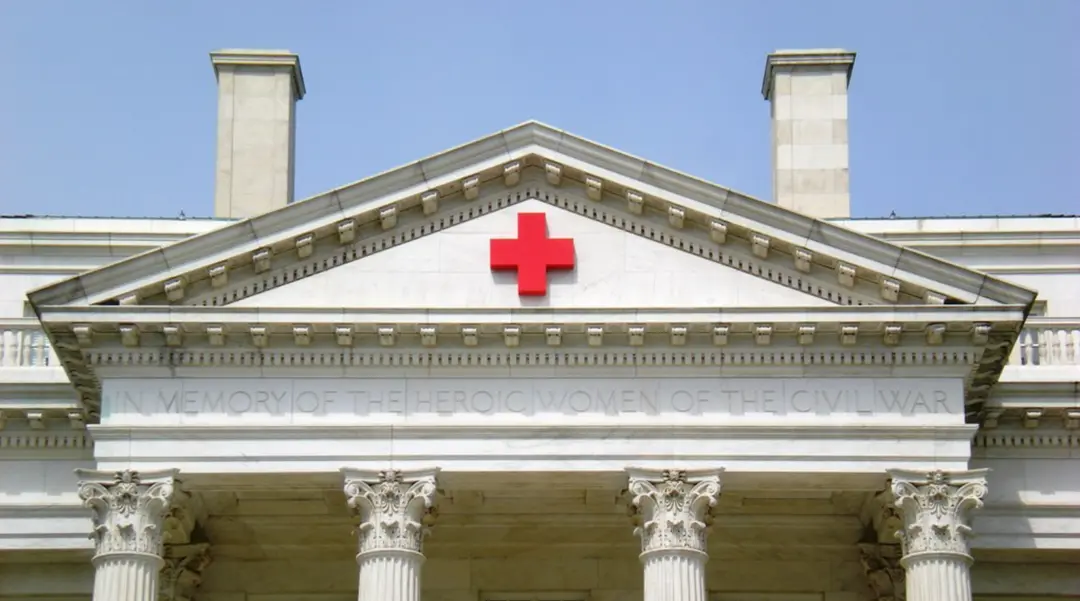
Recently, Old T saw a doctor in his social circle recommending the Johns Hopkins University "History of Medicine" syllabus. From a global comparative perspective, it provides a detailed introduction, starting with comparisons of medical texts from the Near East, Mediterranean, and China 3,000 years ago, as well as comparisons of medical and bodily concepts between ancient Greece and China. It then covers how Persian and other Western medical knowledge spread eastward and how Chinese medicine spread westward. What surprised me most was that this syllabus from a top American medical school openly discusses the influence of religion on modern Western medicine, particularly how modern Western medicine, in its formation, institutionalization, and value orientation, largely inherits the religious culture of the Western Middle Ages.
The Study of the Relationship Between Religion and Medicine Is a Prominent Field in the West
Further research reveals that not only do medical school courses not shy away from this topic, but many Western studies in philosophy, history, sociology, and other fields are also enthusiastic about highlighting the prominent role of religion in the development of medicine. There are countless related works. For example, searching for academic publications from 2026 onward (less than two weeks) using the keywords "religion medicine" in academic search engines yields 725 results. Many of these studies come from globally renowned institutions such as Johns Hopkins University, Oxford University, and Harvard University, as well as top journals like The Lancet, Cell, and Science. Even the Mayo Clinic, often regarded as one of the world's leading hospitals, has numerous articles on the implications of religion for clinical practice.

Perhaps it's because Old T hasn't engaged with this topic for too long, but I only vaguely recall encountering similar viewpoints in some extracurricular readings during childhood. However, due to the long-standing lack of discussion and perceived necessity around the topic of "religion" in China, I unconsciously forgot about it. In recent years, even amid various online debates about Western medicine, few have introduced the influence of religious values behind it. This prompted me to delve deeper into the issue.
Religion Profoundly Shaped the Institutional Form of Western Medicine
When discussing the religious values behind modern medicine, it's essential to clarify that religion did not provide the direct source of medical knowledge for modern medicine. Whether it's anatomy, pathology, pharmacology, or later developments like experimental and evidence-based medicine, their methodological core is based on experience, observation, and repeatable verification. This may be far from the original intent of religious texts, and for a long time, these practices even conflicted with religious authority. However, denying religion's direct contribution to medical knowledge does not mean ignoring its deep influence on the institutional and value structures of medicine, which I found increasingly fascinating during my research.
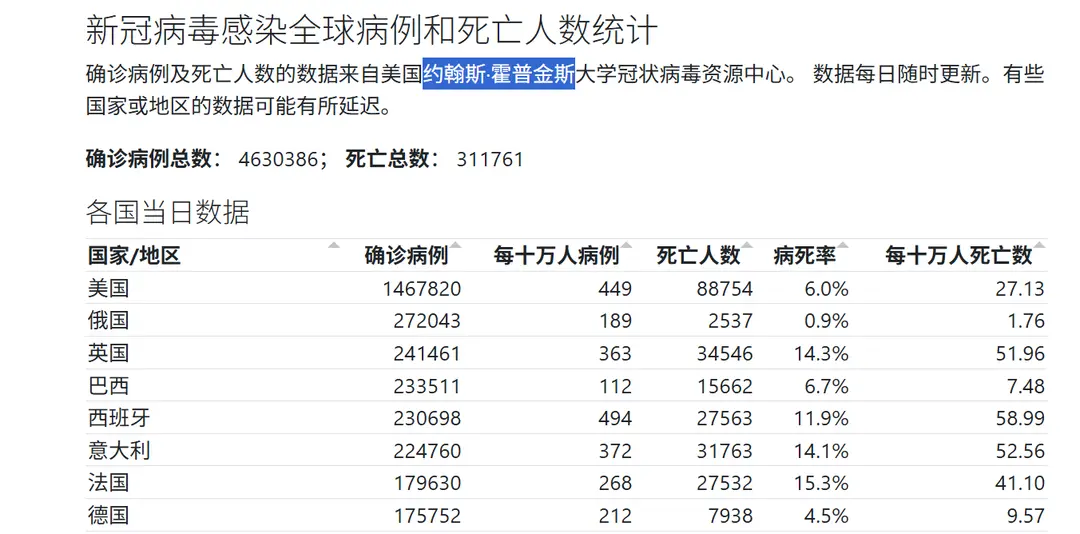
The modern Western hospital system did not emerge solely from the need for efficiency or medical technological advancement. Its origins can be traced back to medieval monasteries, church charities, and religious organizations. These institutions initially did not aim to "cure diseases" but emphasized shelter and care. Their institutional design was rooted in a value requirement with clear religious overtones: anyone considered a "child of God" should be cared for. This understanding of life was not results-oriented but prioritized religious obligations. It was under this premise that modern Western medicine gradually formed a highly institutionalized, proceduralized, and professionalized system, maintaining a high tolerance for "treatment failures." For example, during the large-scale public health crisis in 2020, the treatment outcomes in Western hospitals were almost "unbearable to look at." The "real-time data" rankings compiled by Johns Hopkins University left a deep impression on many.
In stark contrast, the starting point of medical-related institutions in Chinese society was fundamentally different. Historically, China lacked a tradition of medical institutions centered on religious charity. The origins of the official medical system were more closely tied to government agencies such as the Taichang and Shaofu, as well as specific official positions like the Imperial Physician, Director of Medicine, and Palace Medicine Supervisor. Their primary responsibility was not universal social relief but serving specific groups, particularly the stability of the imperial court, bureaucracy, and state apparatus. In this institutional context, medicine was more akin to a highly technical and responsible professional practice, with its legitimacy not primarily derived from motives but directly tested by outcomes.
This difference is also deeply reflected in the understanding of medical responsibility. In the Western medical tradition, the legitimacy of medical actions often centers on whether procedures are compliant and intentions are proper. As long as standardized processes are followed, even if the outcome is unsatisfactory, it is considered an acceptable risk. In ancient Chinese contexts, medical actions were more results-oriented, with the success or failure of treatment directly linked to the physician's responsibility and even life or death. Even Hua Tuo, revered as the "Sage of Medicine," ultimately faced execution due to poor treatment outcomes. This is not simply a matter of institutional backwardness or rule by individuals but reflects the long-standing different positioning of medicine's role in Chinese society: medicine was not granted moral exemption beyond secular order but was always embedded within a structure of practical responsibility.
In this sense, the differences between Chinese and Western medical systems are not merely about technical paths or knowledge systems but stem from deeper values and social structures. Western medicine formed as religious ethics gradually became institutionalized, while medical issues in Chinese society were embedded from the outset within the framework of state governance, social order, and practical responsibility. This difference in starting points determined the long-term divergence between the two medical systems in institutional design, risk tolerance, and value orientation. It also makes it easy to overlook the true root of the problem when using "modernity" or "scientificity" as the sole measuring standard.
The Assumption of Individual Life Supremacy Is Not Value-Neutral
Rather than saying the differences between Chinese and Western cultures center on "whether individual choices are respected," it's more accurate to say that they have fundamentally different understandings of "what a human being is." During the institutionalization of modern Western medicine, a highly abstract concept of "individual life" gradually formed based on religious ideas. This individual is assumed to be relatively separate from family, society, and the natural environment, with a body that can be dissected, measured, and intervened upon, serving as the basic unit for medical decisions and risk-bearing. This institutionalized concept also exhibits clear individual-centric characteristics at the societal level. For example, Western societies emphasize personal autonomy in dietary choices, health management, and reproductive technologies. From public health challenges like obesity and lifestyle issues to recent incidents in European sperm banks leading to a series of genetic diseases, both institutions and culture reinforce "individual responsibility first," even if it may bring complex public risks.
In contrast, Chinese culture has long embedded its understanding of "human beings" within a broader order. Whether in the holistic narrative of "Heaven, Earth, and Humanity" from ancient times or the bodily concepts of Yin-Yang and the Five Elements, the core lies not in single-mechanism explanations but in emphasizing the continuity between humans and nature, and between humans and society. The human body is not seen as an isolated system but as constantly influenced by the environment, emotions, diet, labor, and social relationships. This cultural understanding directly influences the logic of medical practice and institutional design.
On one hand, Chinese culture places greater emphasis on the role of the family. Individuals rarely make medical decisions independently; the family plays a long-term and stable role in elderly care, nursing, and risk-sharing. Whether for major illnesses or long-term care, family involvement is essential, and medical decisions are often the result of family discussions rather than relying solely on the patient's personal will. This institutional design contrasts sharply with the Western model of "individual rights first, limited family obligations."
On the other hand, Chinese culture places greater importance on the role of society as a whole. Dietary habits, public health behaviors, environmental regulation, and even nationwide epidemic prevention and medical insurance system design are not centered on individual patients but prioritize collective interests. For example, in treating vulnerable groups and preventing infectious diseases, China emphasizes "preventive treatment" and risk-sharing, using comprehensive interventions in systems, environment, and lifestyle to minimize overall societal risks. This differs from some Western countries that rely on post-facto medical assistance only after individuals fall below a certain threshold. In modern practice, from the Patriotic Health Campaign to nationwide epidemic prevention and risk-sharing under the medical insurance system, these are extensions of this holistic orientation.
Developing Modern Medicine Requires Confronting Value Choices
In recent years, Old T has seen many online discussions about Chinese and Western medicine, with some doctors or experts often claiming that "Chinese medicine is unscientific and must be completely reformed using Western standards," as if adopting Western medical systems rooted in Western culture would solve all problems. However, many of these debates fail to genuinely consider deep-seated cultural differences, instead merely venting emotions and opinions. This makes me feel that without starting from broader, more fundamental cultural comparisons, these superficial arguments are unlikely to truly promote the localization of medicine in China and may instead exacerbate misunderstandings and conflicts.
Today, technical issues in medicine are no longer the most challenging problems. What is truly complex are the value choices hidden behind institutional designs.
For contemporary China, diagnostic and treatment capabilities, drug development, and medical infrastructure have already fully entered the modern medical system, so "modernization" is not in dispute. What truly requires careful consideration is the prioritization of values in issues such as end-of-life care, resource allocation, family responsibilities, and public health interventions. There are no universally applicable standard answers to these questions; they are essentially choices about how society understands life, risk, and responsibility.
The institutions and values formed during the birth and maturation of Western medicine are highly rational within the context of Western society, but this does not mean they are naturally universally applicable. Treating these institutions as the "only correct answer" often obscures a more practical issue: these institutions were originally designed to address the structural challenges of Western society itself.
From this perspective, a truly mature society does not need to continuously imitate others at the institutional level. Instead, after fully understanding why these institutions were designed the way they were, it should make conscious choices based on its own cultural traditions, social structures, and governance goals. Medicine is not a purely technical system but a practice always embedded within culture and institutions. Recognizing this is essential for medicine to better serve specific societies.
#western medicine #religion #chinese vs. western medicine #medical systems #value orientation