What It's Like to Study at a Police Academy
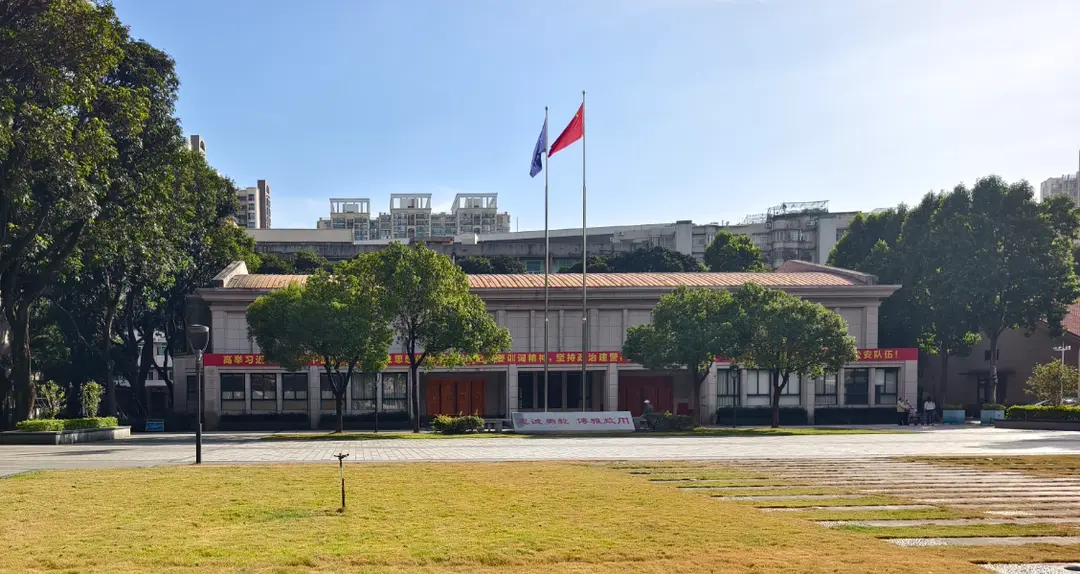
Over the years, I've attended numerous training programs at Party schools and universities across the country. Due to my legal profession, I've frequently visited political and legal institutes at various levels. However, this was my first time stepping into a police academy within such an institute, and I took the opportunity to document this unique experience of participating in legal training there.
A Serendipitous Learning Experience
My attendance at this police academy training was entirely unexpected. Coinciding with the recent conclusion of the central government's second meeting on law-based governance and the approaching December 4th "Constitution Publicity Week," I initially planned only to invite a university professor to give one or two legal lectures. When reaching out, I habitually consulted a police academy professor I knew from my contacts.
Unexpectedly, he advised against a piecemeal approach and suggested organizing a full-time training program at the police academy for several days instead. Even more coincidentally, the police academy already had a cooperative framework with our unit, so the training fees could be waived.
Faced with such an opportunity, I naturally worked to make this training happen. I designed the course schedule and off-campus activities, presenting the requirements to the police academy, which fully accommodated them in terms of professor assignments. As for the off-campus visits, which weren't part of the academy's regular training, I had to arrange them myself. I contacted a classmate working in Guangzhou (special thanks to a female classmate for her coordination) and successfully arranged a visit to her workplace.
Strict and Intensive Police Academy Training
The atmosphere and management of the police academy training were distinctly different from those of a typical university or Party school.
The most immediate difference was the dress code: all teaching professors wore police uniforms. Particularly, the senior professors assigned to this training wore white shirts under their uniforms, indicating their rank of at least division chief level (or equivalent to a third-level police supervisor or above). The opening ceremony was also unique, beginning with all participants standing to sing the national anthem, creating a solemn and dignified atmosphere that instantly highlighted the police academy's character. Additionally, during the training, every participant wore a personal name tag on their chest, a stark contrast to the more casual style common in other institutions' training programs.
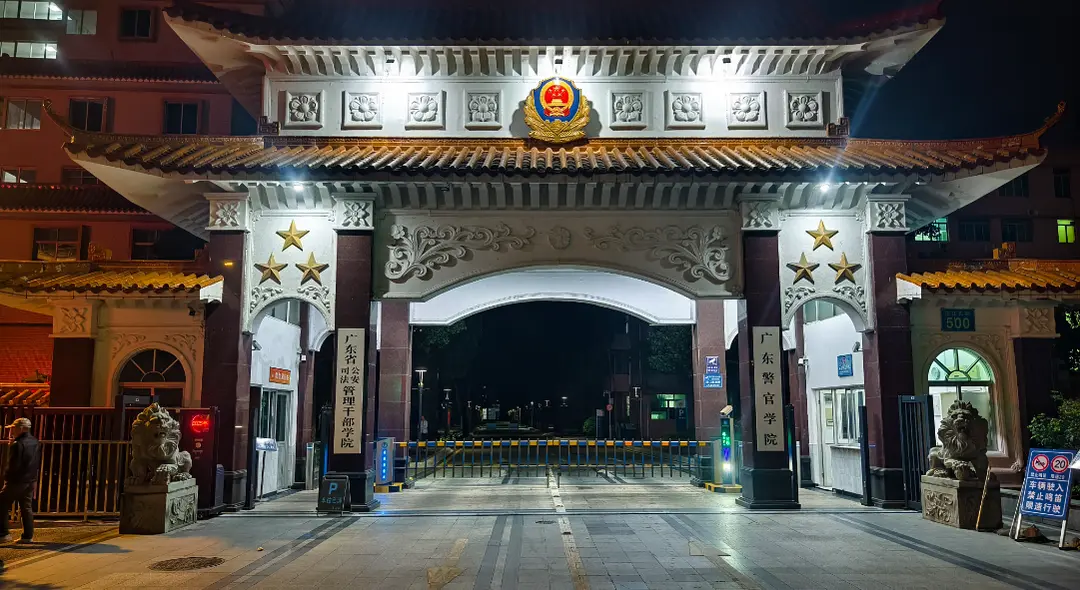
We were at a campus specifically used by the police academy for training. Several other training programs with different themes were running concurrently, such as a Hong Kong police study class whose members dined with us in the cafeteria. Those police-related classes were even stricter, with participants wearing unified police casual attire, conducting morning drills, and often gathering in formation downstairs in the evenings, as we could hear from our dorm rooms.
The course schedule was meticulous: each main session lasted exactly three and a half hours and almost never ended early. Evening classes were also standard. This differed greatly from my experiences at other universities, where professors often condensed content as the allotted time neared its end to finish on time. At the police academy, however, "running over time" was the norm. During the short training period, several classes extended by nearly half an hour.
Campus management was even stricter: participants were not allowed to leave without special permission. At most, taking a quick photo at the gate would prompt security to "politely invite" you back inside. As a unit within the public security system, management here also relied on police support: check-in required only reporting one's ID number, with identity verification completed through the backend public security system. The dorm rooms even had interfaces for the internal police network, allowing participants to handle urgent official business if needed.
Diverse and Practice-Oriented Teaching Styles
The course topics for this training were relatively macro, such as "Interpretation of the Fourth Plenary Session," "Holistic View of National Security," and "Emergency Response Handling." However, each professor's teaching style varied significantly:
- Interactive Questioning Style: One professor habitually posed questions to guide thinking. This frequent interactive teaching method was something I had last experienced in high school. It was the first time in nearly two decades since entering university that I encountered it again.
- In-Depth Deconstruction Style: For topics with which I was already familiar, I initially worried about hearing repetitive content. Surprisingly, this professor chose to "dig deep": starting from the core concepts of the course, he analyzed "why was he (this college) chosen to lecture?", "the origin of the course name?", and even "the boundaries of each word in the name?" The introduction alone was explored in depth for over two hours, successfully avoiding potentially redundant information.
- Personal Narrative Style: Every knowledge point in class was vividly explained and supported by this professor's rich personal experiences—particularly the evolution and policy adjustments of public security, courts, procuratorates, state security, and judicial units since the 1980s and 1990s. The effect was impressive.
- Theory-Practice Integration Style: Many police academy professors have long served on the front lines of public security, accumulating substantial practical experience. They also follow the academy's unique system: teachers must undertake temporary assignments at local public security organs. This "grounded" approach ensures that theoretical teachings are not abstract or disconnected from reality, making them more persuasive compared to many university classrooms focused solely on ivory-tower theories.
Close Post-Class Interaction
Frankly, whether inviting professors for lectures or attending various training programs, I rarely encountered instructors who actively engaged in deep discussions with participants after class; usually, conversations were brief.
This police academy training was entirely different: for several consecutive evenings, professors independently visited participants' dorm rooms to chat freely about course content and broader topics, often continuing until past 11 p.m. This was an unprecedented experience in my training history.
This likely explains why, when meeting police academy graduates, I often find they habitually refer to fellow police officers as "brothers from the same school," regardless of prior acquaintance, and can immediately engage in conversations about academy memories or updates on certain teachers. This close, long-lasting bond between teachers, students, and classmates, rooted in campus life, is likely hard to achieve in ordinary universities.
Off-Campus Learning Insights
In addition to on-campus courses, I arranged two off-campus visits one afternoon: to the site of the Third National Congress of the Chinese Communist Party and the Guangzhou Arbitration Commission.
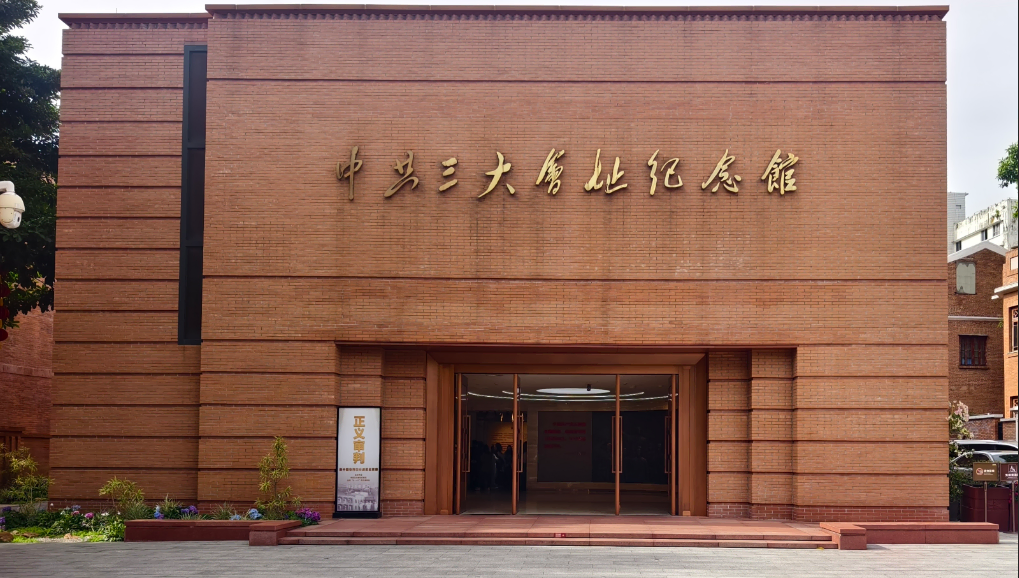
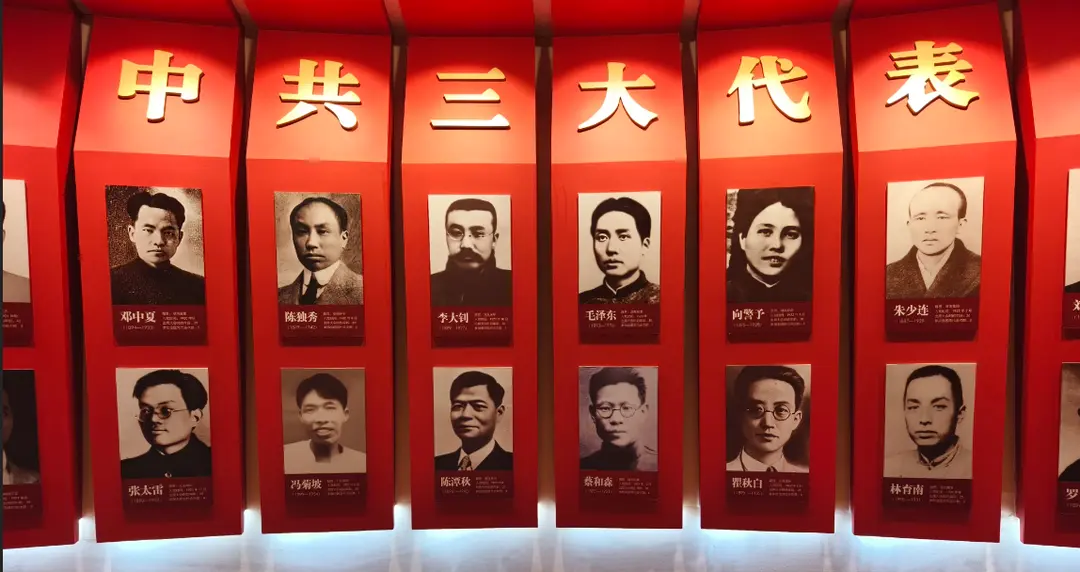
Having lived in Guangdong for so many years, this was my first visit to the site of the Third National Congress. The site isn't large, as only about forty people attended the original congress, held in a two-story building. During the visit, I paid special attention to the exhibits on Cai Hesen and his wife. Cai Hesen's hometown is only 900 meters from mine in a straight line, and their stories are local heroic tales I've known since childhood. Both attended the Third Congress and stood out: Cai Hesen tied with Li Dazhao for the second-highest vote count, becoming a member of the Central Bureau, while his wife, Xiang Jingyu, was the only female representative at the congress.
Interestingly, this historic site remained undiscovered for a long time after the founding of the People's Republic until the 1970s, when memories of a participant and scattered clues led to its identification. Unfortunately, the original building is believed to have been destroyed by Japanese bombing during the war, and the current site is a reconstruction nearby.
I chose to visit the Guangzhou Arbitration Commission for several reasons: first, a university classmate who is a department head there facilitated communication; second, I feel local arbitration development is still insufficient, with arbitration's role having weak "presence," and I wanted everyone to gain a deeper understanding of its operations; third, it closely relates to Guangdong's recent initiative to "build three first-class platforms" (first-class foreign-related legal talent teams, first-class foreign-related arbitration institutions, and first-class foreign-related legal service institutions). Higher authorities sometimes request updates on these platforms' progress, and "foreign-related arbitration institutions" were the least familiar to us. This visit was an excellent opportunity to fill that knowledge gap and understand the "three first-class" concept.
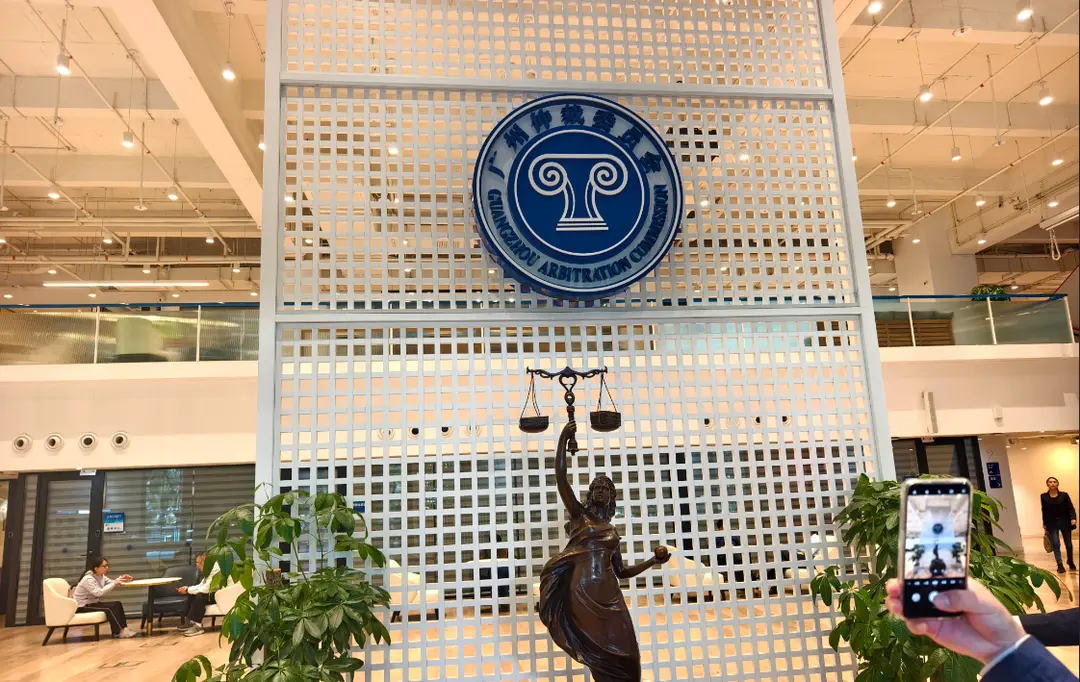
The gains were substantial: the Guangzhou Arbitration Commission alone handles up to 25,000 cases annually (including seven to eight hundred foreign-related cases), a scale approaching the annual civil and commercial litigation caseload of a typical prefecture-level city court. Notably, courts' "case statistics" often include various types like litigation, enforcement, and preservation, with actual civil and commercial litigation cases typically comprising less than half. With about 200 staff members, the efficient case-handling mechanisms at the Guangzhou Arbitration Commission were particularly thought-provoking.
Undoubtedly, foreign-related rule of law remains a key weak link in China's legal chain. Institutions like the Guangzhou Arbitration Commission play a significant role in this regard (the importance of foreign-related rule of law work has been discussed in my previous articles and won't be elaborated here).
The Police Academy: Reflections Beyond the Halo
In recent years, police academy admission scores in the national college entrance exam (Gaokao) have consistently risen, with news of scores exceeding first-tier lines and attracting high-achieving students becoming common.
Actually, a decade ago, police academy admission scores were relatively lenient. Their "turnaround" core lies in reforms to police recruitment: previously, the main entry channel was the unified civil service exam (requiring written tests in administrative aptitude and essay writing, followed by physical tests). After reforms, most positions are allocated through internal joint exams for police academy graduates, drastically reducing competition from non-police academy graduates. Coupled with police academy admissions strictly matching public security staffing needs, employment rates are almost 100%.
The near-guaranteed "iron rice bowl" prospect naturally makes it a "hot choice" in Gaokao applications. In reality, it's common to see relatives and friends sending their children to various police academies (e.g., railway police, judicial police, forestry police, etc.).
During the training, some teachers openly expressed concerns: police academy training indeed focuses on practical skills, aligning with what Mencius called "laboring the body" rather than "laboring the mind." Many high-scoring science students enroll, and from a "making the best use of talent" perspective, this seems somewhat wasteful.
Especially nowadays, police work involves immense pressure. For those with strong political commitment, good physical fitness, willingness to endure hardship and contribute, and a determination to join the police force, this is an excellent choice. However, enrolling merely for the "iron rice bowl" may be overly idealistic. In reality, it's not uncommon for police academy graduates to switch careers due to不适应 (lack of adaptation). Other issues are too sensitive to elaborate on here.
#legal career experience #police academy training #learning experience